Rainwater recycling can save the world, starting on your roof
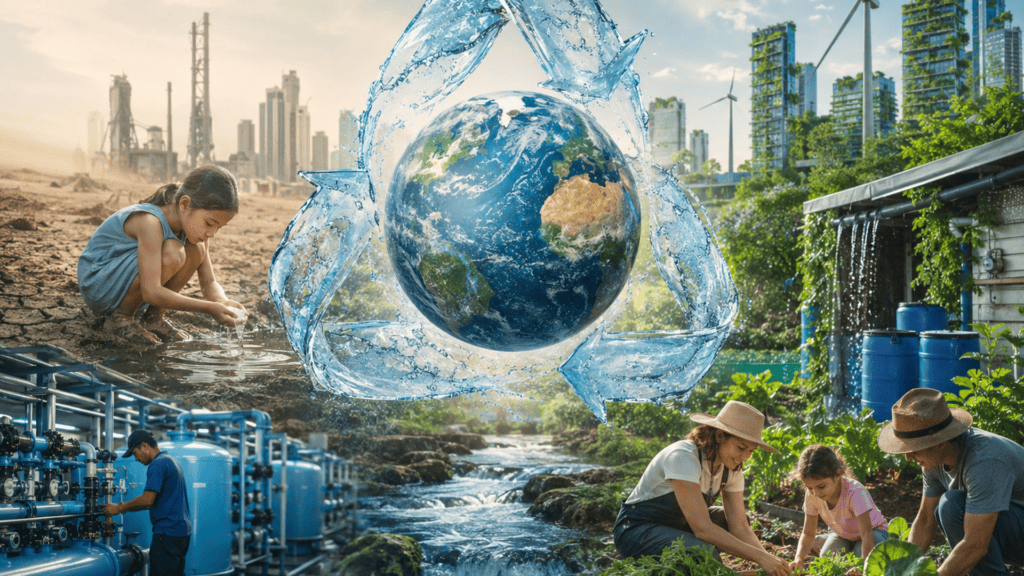
The sustainable revolution starting on your roof
Climate change and aquifer overexploitation are no longer future threats; they are urgent realities. Today, water scarcity affects millions worldwide, drying fields, restricting urban growth, and threatening food security. Traditional centralized solutions can no longer address this growing global water crisis alone. We need a major shift in how we manage and protect natural water resources. One of the simplest and most effective solutions falls directly from the sky. Rainwater harvesting systems for homes and businesses are more than eco-friendly alternatives. They are becoming essential tools for resilience, conservation, and long-term water security. We are living through a critical period that demands practical and decentralized water solutions.
According to Agua.org.mx, rainwater recycling can save the world by supporting sustainable water management and reducing pressure on public supplies. Each property can become a small water reserve that strengthens local resilience and reduces dependence on centralized networks. As water scarcity expands globally, rainwater harvesting offers a practical way to protect communities and natural resources.
The logic behind this technology is as powerful as it is accessible.
Every year, billions of liters of clean rainwater are lost when mixed with urban runoff, increasing flood risks. Collecting, filtering, and storing rainwater helps prevent local flooding and reduces pressure on overloaded sewage systems. It also lowers the energy required to pump and transport water from distant sources.
Harvested rainwater can support toilet flushing, laundry, irrigation, and other non-potable household uses. Advanced treatment systems can also use ultraviolet light to improve water quality for specific applications. The financial and environmental benefits can be immediate for homes, businesses, and communities. According to UNAM’s Ecotechnologies Unit, rainwater harvesting supports sustainable energy use and stronger community resilience. Rainwater recycling can save the world by decentralizing access to water and reducing dependence on centralized supply systems.
This approach becomes especially valuable during prolonged droughts and periods of growing water scarcity.
Adopting rainwater engineering represents a firm step toward water sovereignty.
Modern cities can no longer sustain extractive water models as infrastructure fails and aquifers decline at alarming rates. Adopting a rainwater harvesting culture supports the United Nations Sustainable Development Goals and reduces the carbon footprint. It also helps restore the local hydrological cycle and strengthens urban resilience. This is not an isolated effort but a collective movement in which every roof can make a difference.
If we capture every drop nature provides, we can reduce pressure on public water supplies. Programs like Sedema’s Cosecha de Lluvia show how rainwater recycling can save the world through large-scale public action. In this article, you will discover efficient rainwater harvesting technologies, essential installation steps, and practical ways to participate. You will also learn how to join the sustainable water revolution and improve long-term water security.
How to Harvest Rainwater
Before looking at how rainwater can be used, it is first important to understand how rainwater is harvested.
Step 1
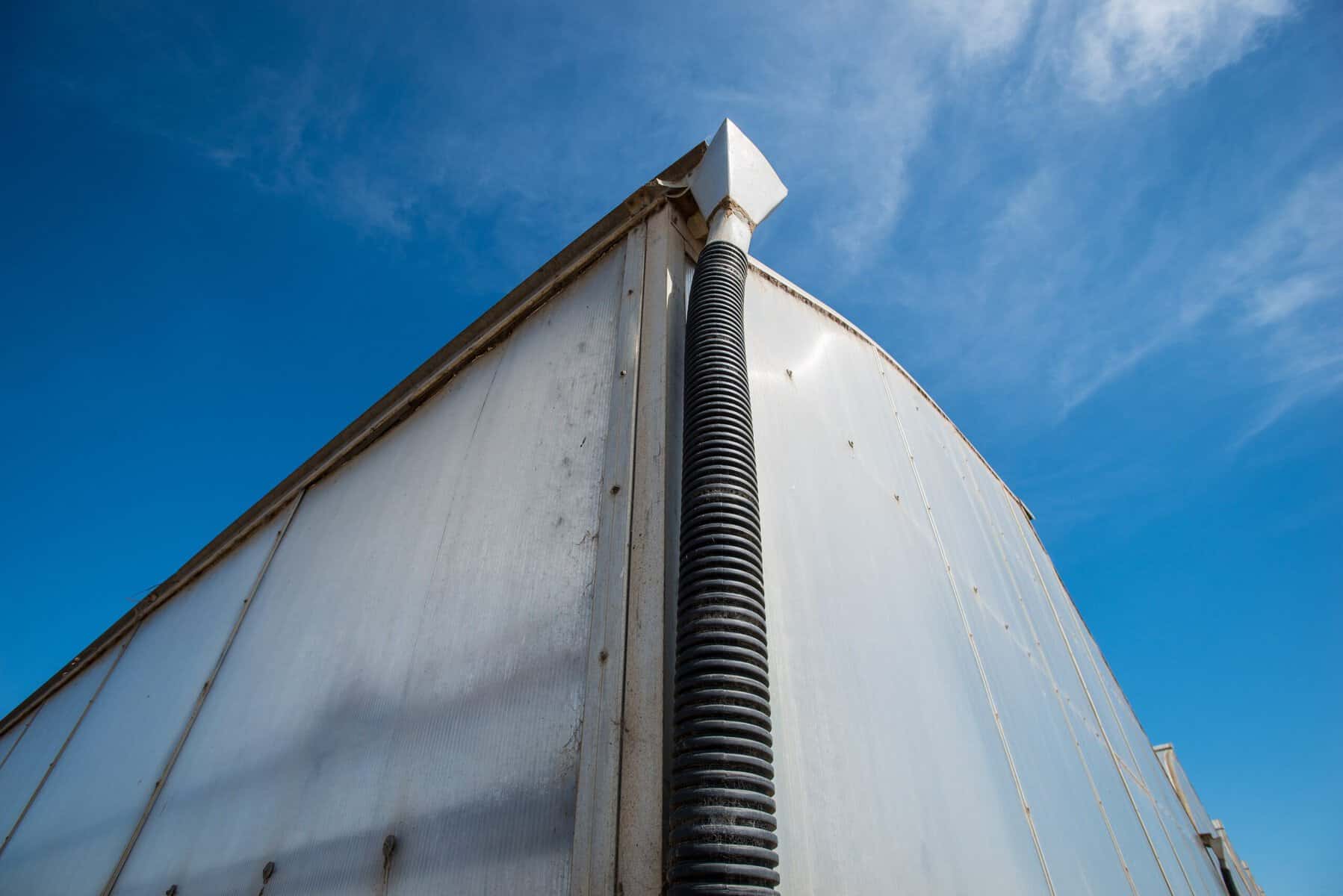
Rainwater falls onto the roof and is collected either through gutters, for sloping roofs, or through a drain, in the case of a flat roof. It is then channeled, via a pipe system, to the primary filter integrated into the storage tank.
Step 2
The primary filter prevents leaves, debris, insects, and other materials from entering the tank. The water that passes through the filter is stored and circulates within the tank to prevent water stagnation.
Step 3
A unique pump integrated into the tank, with optimal pressure settings, automatically drives the stored water to the different connected systems. In the event that no rainwater is available in the tank, the ATN kit (optional) can automatically supply mains water for each application.
Practical Uses for Recycled Rainwater
-
How Can You Use Harvested Rainwater?
Once you collect and filter rainwater, you can use it for household tasks, landscaping, and commercial operations.
The treatment level determines which rainwater applications are safe and practical for your property.
Properly treated rainwater can reduce dependence on municipal water for many everyday activities.
1. Non-Potable Indoor Home Uses
- Toilet Flushing: Using harvested rainwater for toilet flushing reduces municipal water consumption and can lower monthly utility bills.
- Washing Clothes: Rainwater naturally contains fewer hardness minerals, such as calcium and magnesium, than many groundwater sources.
Its soft composition helps detergents work effectively and can leave clothes feeling cleaner.
Soft rainwater also reduces limescale buildup inside washing machines, hoses, and plumbing components.
2. Outdoor and Garden Maintenance
- Landscape and Plant Irrigation: Gardens, lawns, and landscaping can benefit from properly collected rainwater.
Rainwater usually contains no chlorine added by municipal treatment systems.
This makes harvested rainwater a practical irrigation source for plants, lawns, gardens, and vertical green walls.
- Vehicle and Surface Cleaning: Low-mineral rainwater can reduce white water spots after surfaces dry.
You can use it to clean cars, windows, patios, and other outdoor surfaces.
Harvested rainwater can also clean solar panels while helping maintain efficient sunlight exposure.
3. Advanced and Potable Applications
- Human Consumption and Cooking: Advanced rainwater filtration systems can prepare harvested water for potable applications when properly designed.
Treatment may include sediment filtration, ultrafiltration, disinfection, and additional purification methods based on local water quality.
A professionally designed system can treat rainwater for drinking, cooking, and ice-making when it meets applicable standards.
- Showering and Personal Hygiene: Proper filtration and disinfection can make harvested rainwater suitable for showers, bathing, and handwashing.
Treatment requirements depend on source quality, storage conditions, local regulations, and the intended household use.
4. Commercial and Industrial Operations
- Cooling Towers: Large HVAC systems require significant amounts of water for cooling operations.
Using low-mineral rainwater can reduce scale buildup inside cooling towers and other industrial equipment.
This approach can also lower maintenance requirements and reduce dependence on chemical scale treatments.
- Fire Suppression Systems: Commercial properties can store harvested rainwater as a dedicated source for approved fire suppression systems.
Large rainwater storage tanks can support sprinkler networks while reducing reliance on potable municipal water supplies.